

Missed Plumbing Calls: An After-Hours Response Checklist
A homeowner calling about a burst pipe may need help now. Someone asking for a faucet replacement may be happy to schedule next week. A plumbing company that treats both calls alike can lose urgent work and overwhelm its dispatch team. A reliable after-hours process starts by separating what can be handled automatically from what needs an actual person.
Define what an after-hours call means to your business
Before activating any answering tool, document the services available after closing, the ZIP codes covered, and whether an on-call plumber actually exists. If you do not provide overnight dispatch, the answering workflow must not imply otherwise. If different locations have different schedules, define those separately.
Use a short classification that the office understands: urgent service request, routine appointment, estimate inquiry, existing customer, or non-service call. This is more actionable than labeling every ring as a new lead.
The five-part missed-call handoff
- Understand the problem. Ask for a short description; avoid an unnecessarily long questionnaire.
- Check service fit. Confirm the requested service and location without claiming eligibility before it has been assessed.
- Collect a callback route. Use only necessary contact data, with the required privacy notices and consent.
- Set an accurate expectation. Say what the caller can reasonably expect next, not that a technician is already on the way.
- Assign responsibility. Make it clear who receives the notification and who closes the loop with the caller.
How an AI missed-call receptionist fits
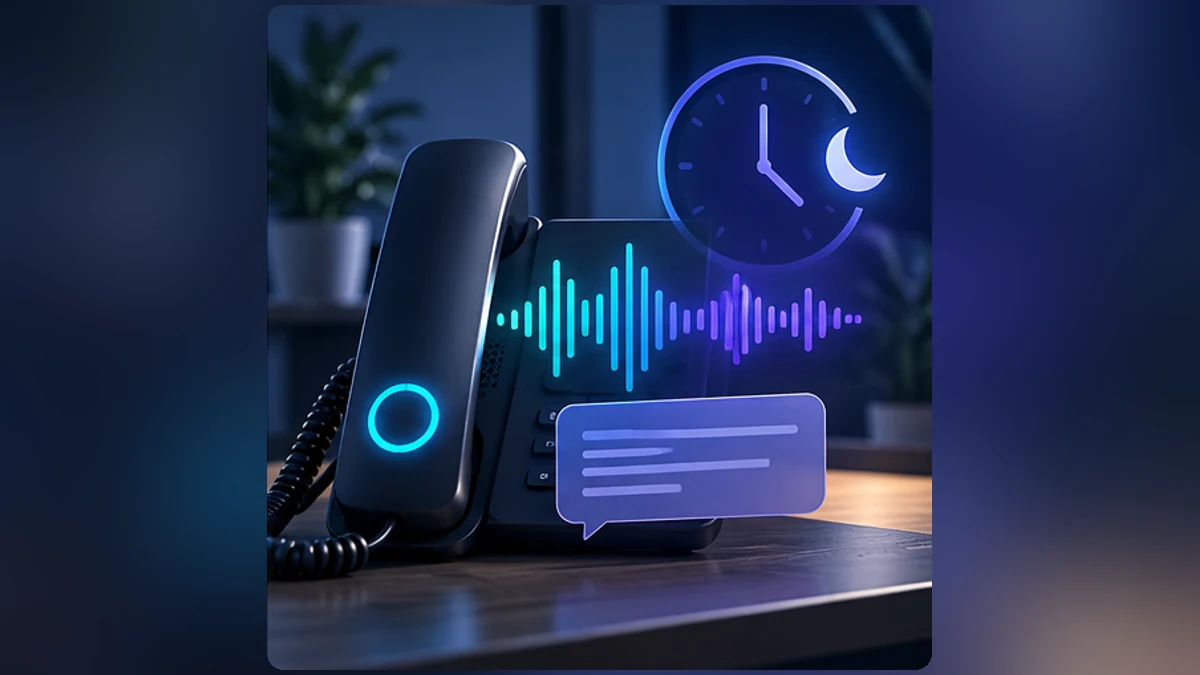
An AI receptionist can help when a call goes unanswered during a busy job or outside regular hours. Depending on the provider and configuration, it may collect service details, summarize the issue, and route a handoff to the team. Its job is to reduce the number of inquiries that disappear without a record—not to diagnose a hazardous plumbing situation, make final price commitments, or replace a qualified dispatcher.
Set boundaries for urgent hazards, callers who cannot explain the issue, and situations involving sensitive information. Avoid pretending the AI is a human employee. Recording and automated text follow-up can involve consent and communications rules; review those requirements for the areas where you operate.
Test the workflow before customers rely on it
Place test calls with five situations: a leak within your service area; a routine estimate; a caller outside the area; an existing customer asking about an invoice; and someone who cannot explain the request. For each, check what was captured, what the caller was told, where the summary appeared, and whether a human knows the next step.
The metrics that actually help a plumber
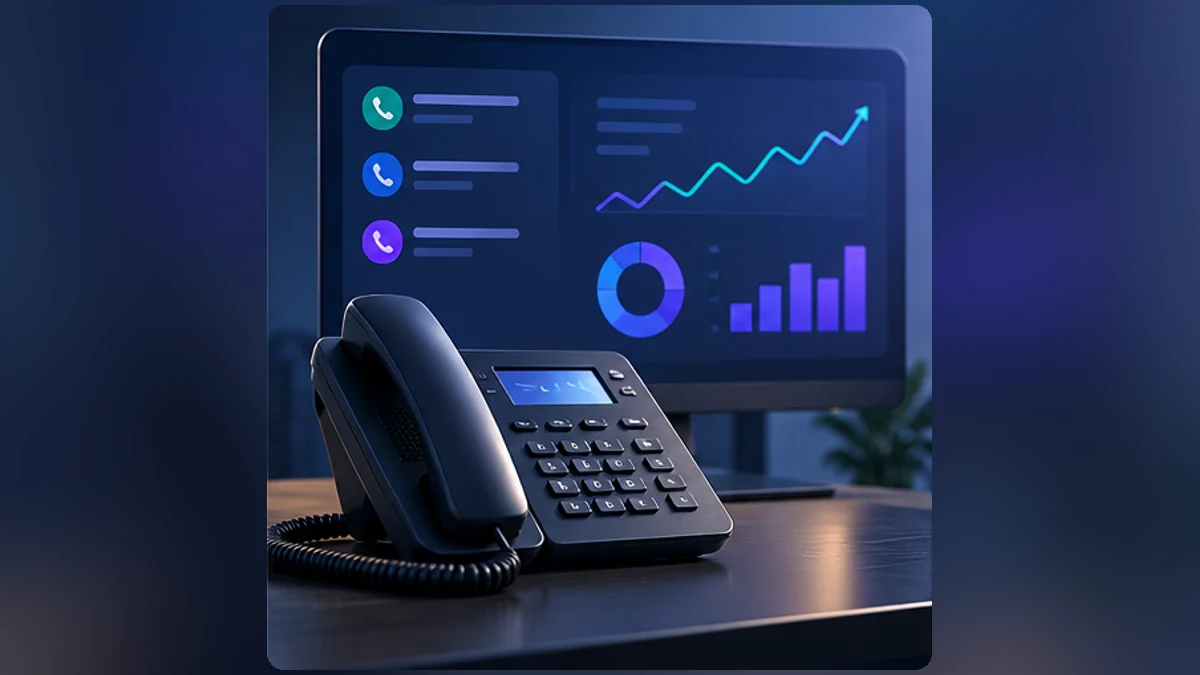
Count unanswered inquiries separately from callbacks, suitable service requests, scheduled visits, and completed work. Review when the gaps occur: evenings, weekends, lunch periods or peak dispatch times. A captured phone number is a useful starting point but should never be reported as a completed job.
One-page operational checklist
- Are service areas and after-hours availability current?
- Does the answering script avoid promises nobody can fulfill?
- Does a real person receive urgent handoffs?
- Are privacy notices and communications permissions appropriate?
- Can the office mark the outcome of each inquiry?
- Has the setup been tested from an ordinary customer phone?
Takeaway: Technology is useful only when paired with a realistic service process. DVYNS's management includes an AI missed-call receptionist workflow; provider subscriptions, phone numbers and usage are separate in the client's account. Learn about what the service includes or discuss missed calls in a free introductory conversation.
Not sure where new customers are slipping away?
Let's look at how people find your business, reach you, and become customers.
Request Your Growth Audit →